

Productions
Empower Women for Change
A project combining organisational development with participatory learning, creating strategy, governance and systems that are directly informed by the voices of the women the organisation supports.
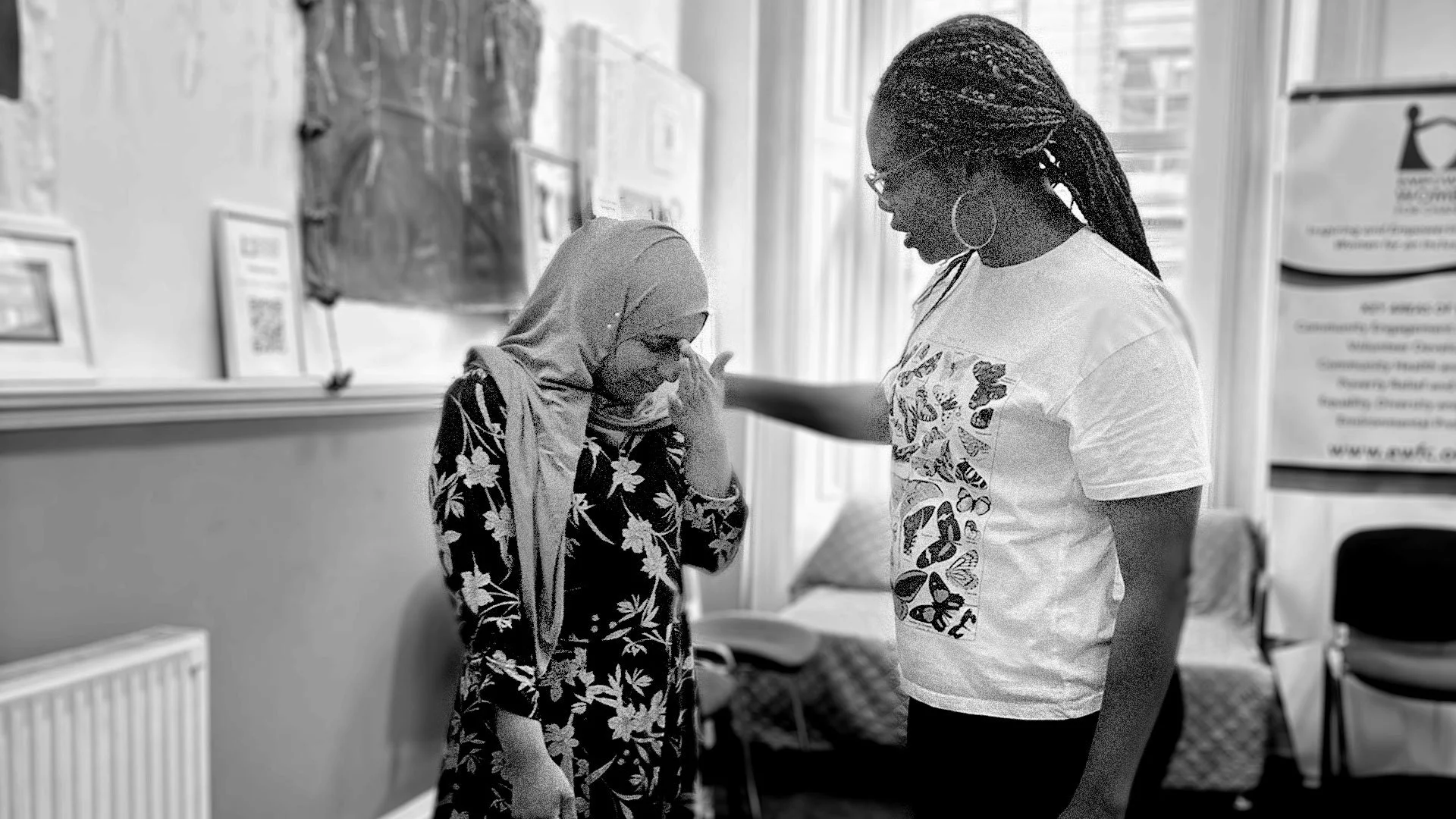
Being heard, recognised and connected
The sessions used participatory and forum theatre, image work, embodied exercises, storytelling and collaborative reflection to explore lived experiences of justice and related systems.
The project had the following aims:
Build safe, trusting and participatory group spaces
Encourage connection through creative and embodied exercises
Explore lived experiences connected to the justice system and post-release life
Support confidence, communication and self-expression
Introduce Forum Theatre and participatory theatre techniques as tools for reflection and change
Develop collective analysis around systems, inequality, trauma, and support
Create opportunities for participants to influence services and wider systems through creative expression

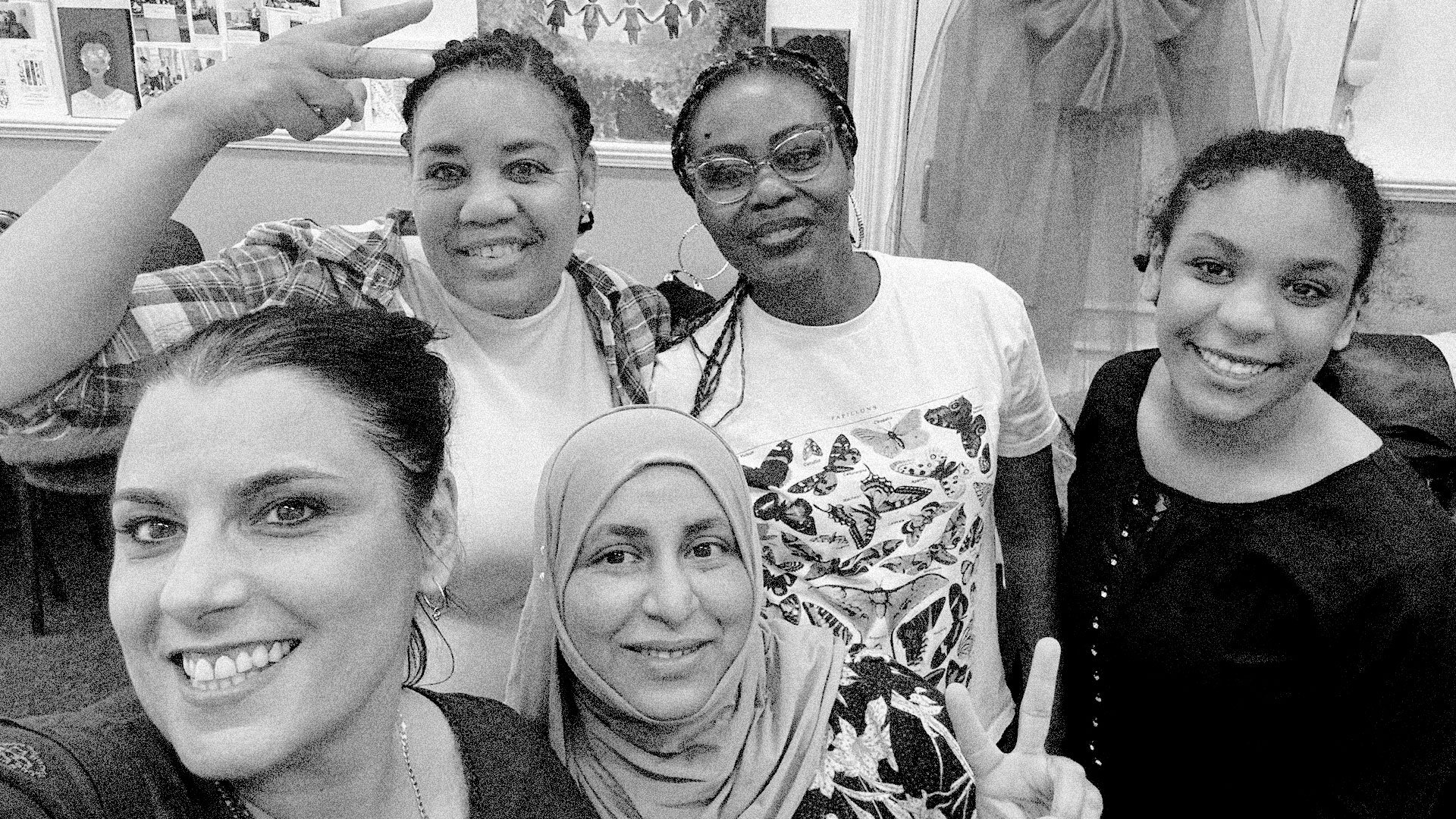
“Rather than just building systems in isolation, we’re ensuring that monitoring, evaluation and strategy are rooted in real experience, which strengthens both impact and future funding potential.” Khaleda Noon
Meet Upside Voices
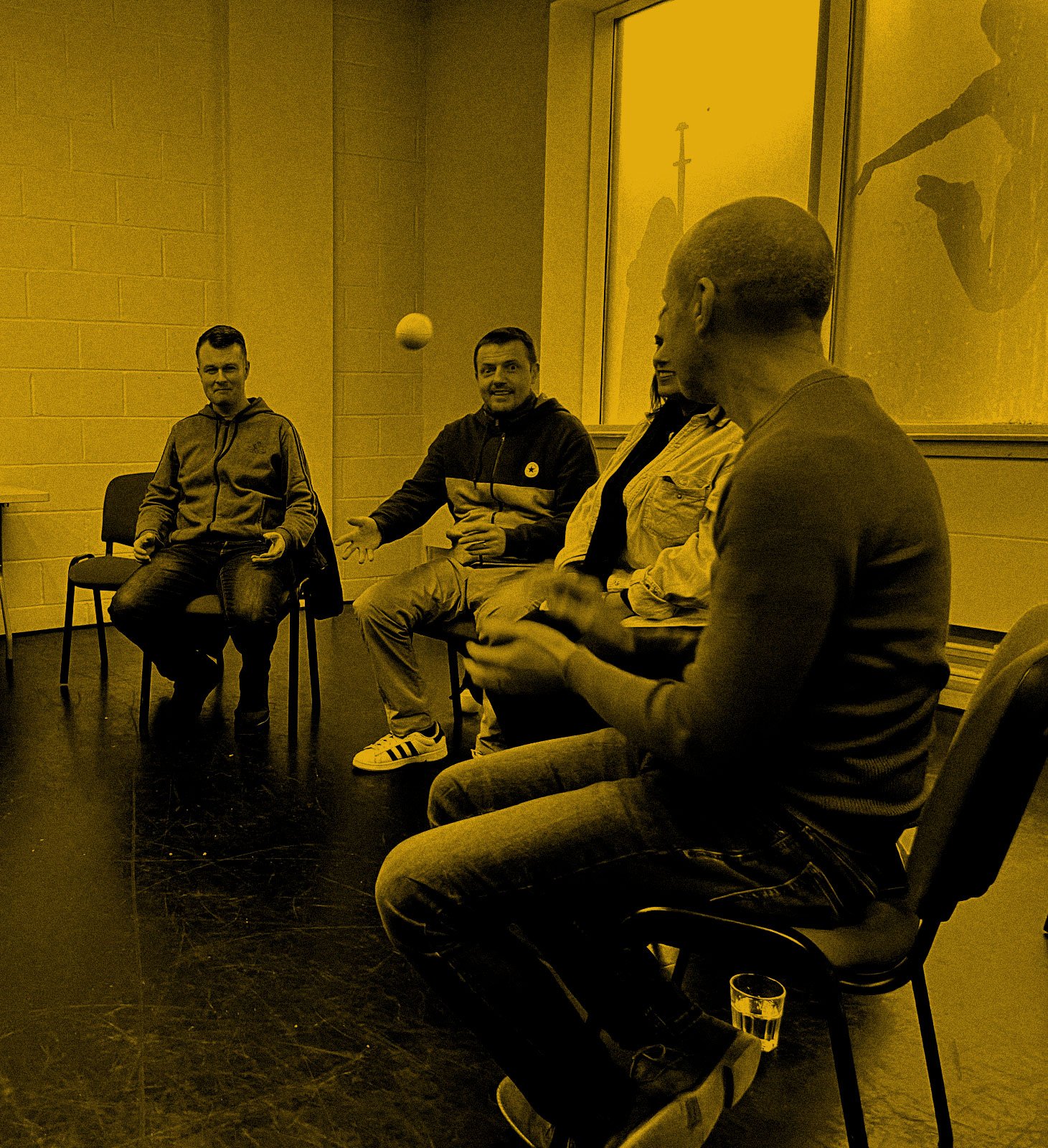
“It’s good to be heard…
we’re not alone.”
Glasgow group member
“Society is unforgiving.”
Glasgow group member
“When trauma is not addressed… we’re not getting to the root causes.”
Glasgow group member
“You can try to address so many issues, but if you don’t have a place to stay at the end of the day, what difference does it make?”
Dundee group member
Impact of this project so far
The first phase of the Upside Voices partnership has demonstrated the significant value of participatory arts approaches in creating spaces for connection, reflection, healing and collective analysis.
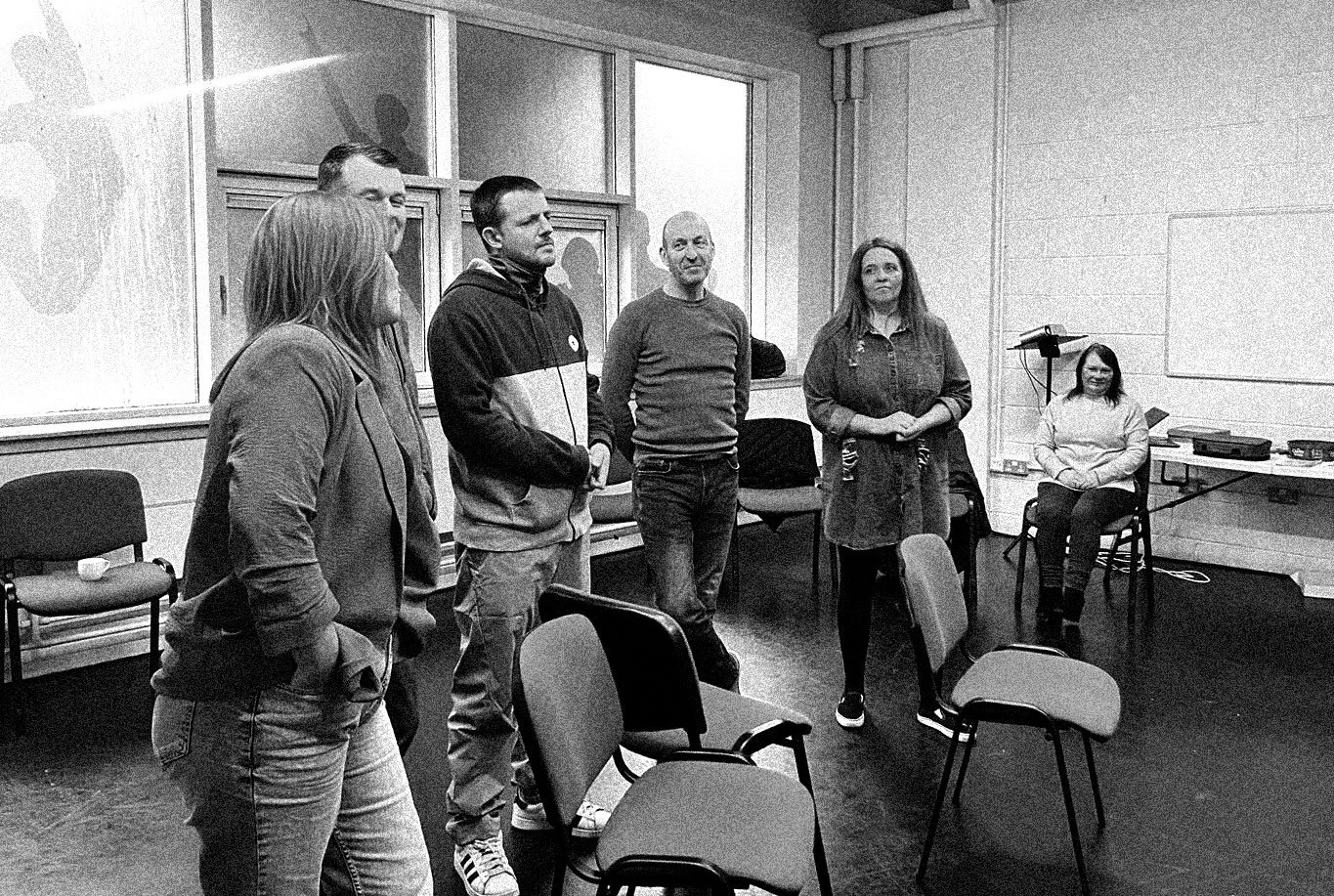
Across Glasgow and Dundee, participants engaged courageously with complex and emotionally difficult themes while building trust, confidence and solidarity.
Participants repeatedly articulated the importance of being heard, recognised and connected.
The work has already demonstrated the potential to:
Reduce isolation
Strengthen peer connection
Build confidence
Generate critical insight into systems and services
Create opportunities for collective voice and influence